

The Original Monolaurin
5-star reviews from Lauricidin customersRead reviews
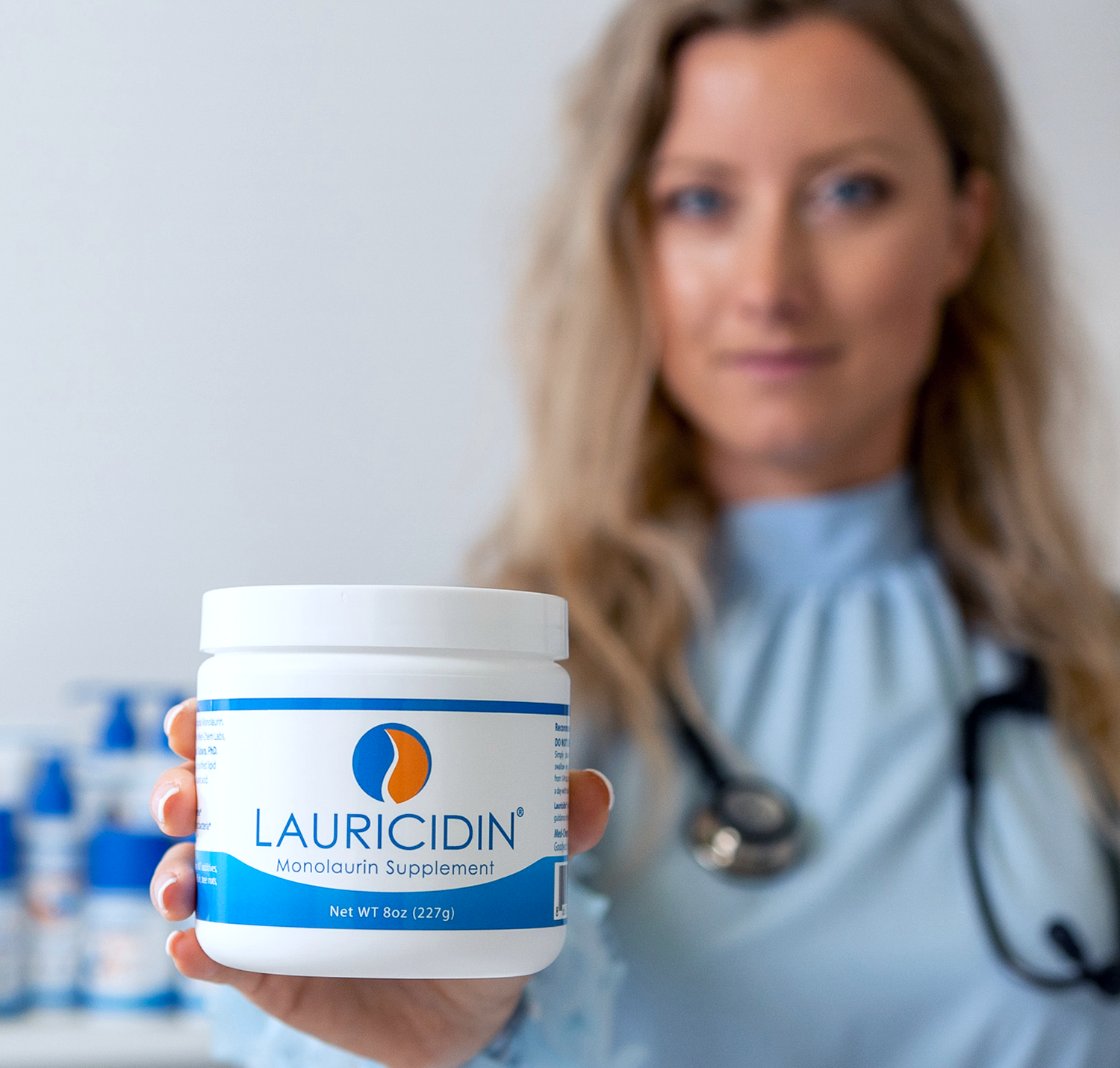
Lauricidin® 8oz Jar
Lauricidin® is pure monolaurin, the natural, plant-based medium chain fat derived from lauric acid. The same monolaurin received from mother’s milk – embraced by both your immune system* and your digestive tract*.
Subscribe & Save works best when Lauricidin becomes the foundation of your immune defense and digestive health routine. Save an extra 5% on every refill and stay consistent with your daily routine.
Clinical research suggests taking the pellets 2-3 times per day for at least 3 months to achieve positive results.
- Flexible pellet dosing for careful first starts
- One clean ingredient with no fillers
- Mini-pack bonuses on 2 and 3 jar plans
- Build your routine and save more
The Advantages of Lauricidin®
60 years of research
Backed by decades of scientific research and thousands of health professional testimonials.
Trusted by the experts
Proven clinical and professional use with dozens of peer-reviewed studies.
Purity matters
We maintain the highest purity available with unmatched product consistency and quality standards.
Positive results
People serious about their health rely on Lauricidin for consistent results and positive outcomes.
Daily support for:*
– Immune defense
– Regular digestion & less bloating
– Maintaining healthy bacterial balance
– Healthy levels of yeast and more
Lauricidin® is pure monolaurin, the natural, plant-based medium chain fat derived from lauric acid. The same monolaurin received from mother’s milk – embraced by both your immune system* and your digestive tract*.
- THE ORIGINAL MONOLAURIN BY DR. KABARA Don’t settle for low-quality imitations. Discovered by Dr. Jon Kabara, Lauricidin® is the only clinically tested, pure Sn-1 Monolaurin supplement backed by 60 years of research. 100% Non-Toxic and safe for the entire family.
- DUAL-ACTION IMMUNE & GUT SUPPORT Your immune system lives in your gut. Lauricidin supports a healthy balance of intestinal flora and yeast, promoting a strong immune defense without destroying good bacteria. Ideal for seasonal wellness and daily maintenance.
Lauricidin® is produced in a cGMP certified facility and undergoes rigorous testing before it is bottled and shelved. Many supplement companies add fillers and proprietary blends full of ineffective ingredients.
The quality and purity of our monolaurin products are of vital importance since these are the same formulas backed by clinical studies and peer-reviewed research.
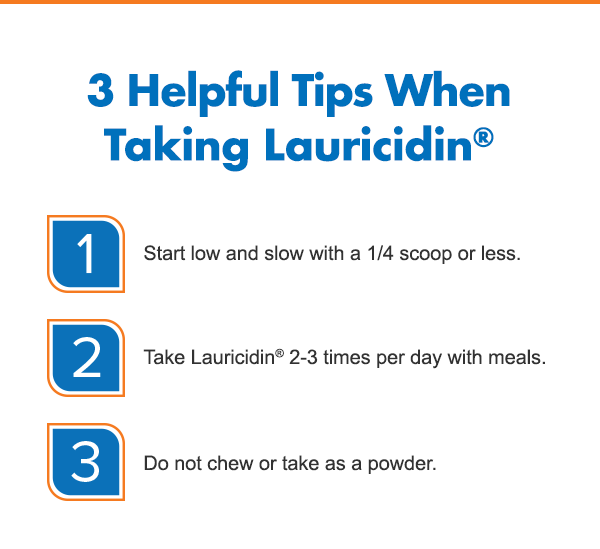
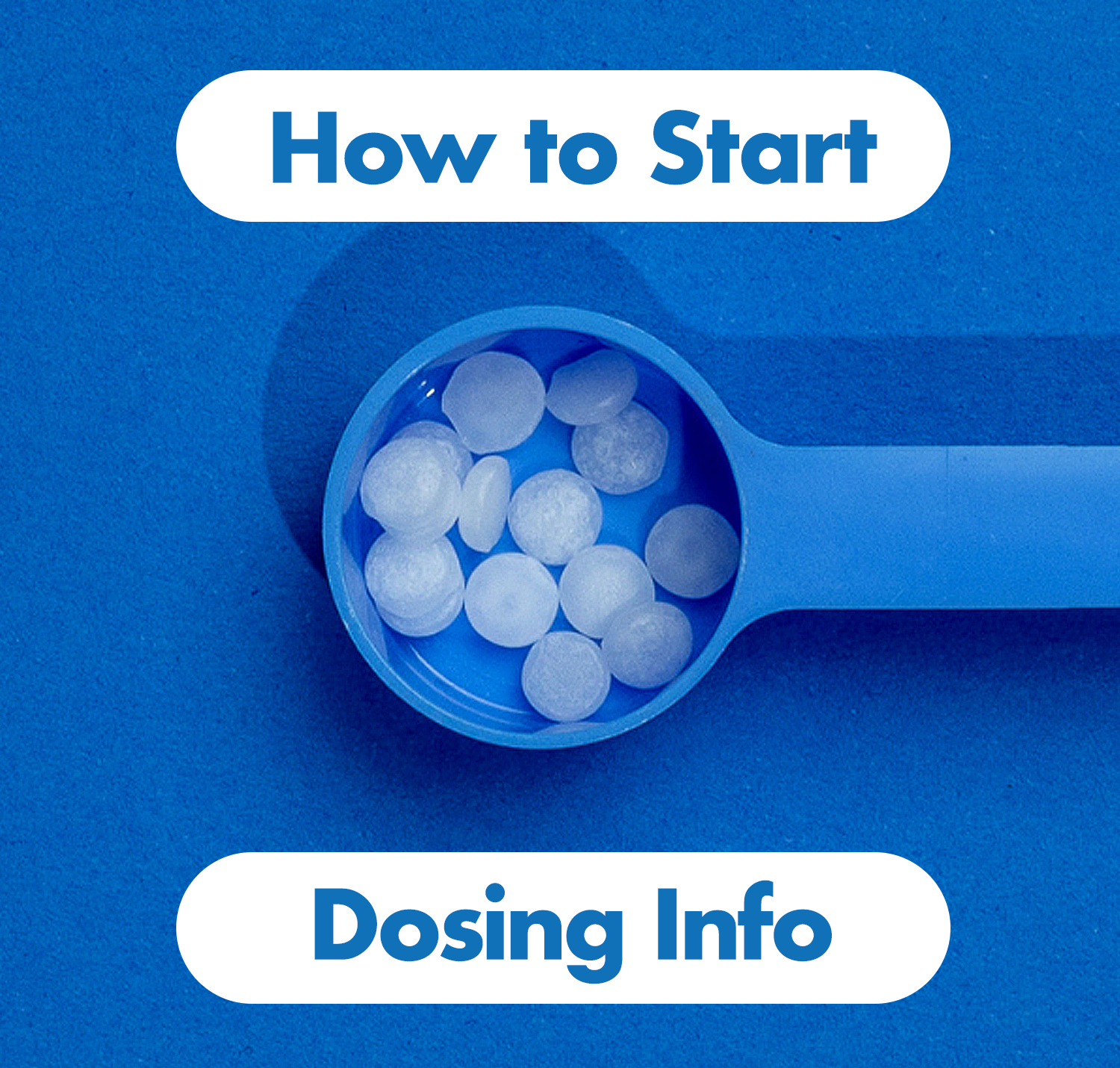
Simply scoop, place in mouth, and wash down with cool water or juice. The pellet form allows for precise dosing customization, from a few pellets to a full scoop.
Initially most users take just a few pellets at a time for the first week. This gives your body a chance to adapt and reduce the chance of any mild "die off" reactions which are normal and even healthy.
Note: Do Not Chew Mini-Pellets. Take with water like a vitamin.
You should slowly but consistently increase by adding more pellets into your diet every few days.
Tip: No matter how much you are taking each time, it's best to take it 2-3 times per day.
Med-Chem Labs, Inc. uses the USPS, FedEx, UPS and DHL as our preferred partners and modes of shipping.
All orders received by 12 pm. PST, Monday – Friday will be processed and shipped that day.
All orders received after 12 pm on Friday, Saturday or Sunday, will be shipped the next business day.
No orders will be shipped on holidays or Saturday or Sunday.
You will receive a confirmation email with tracking information, when your order has been shipped.
Orders will be shipped to PO boxes by USPS.
Orders can only be cancelled before the item has shipped. Please contact a customer service representative at (877-770-7270) or Email at sales@lauricidin.com
Ready to choose?
Lauricidin® 8oz Jar